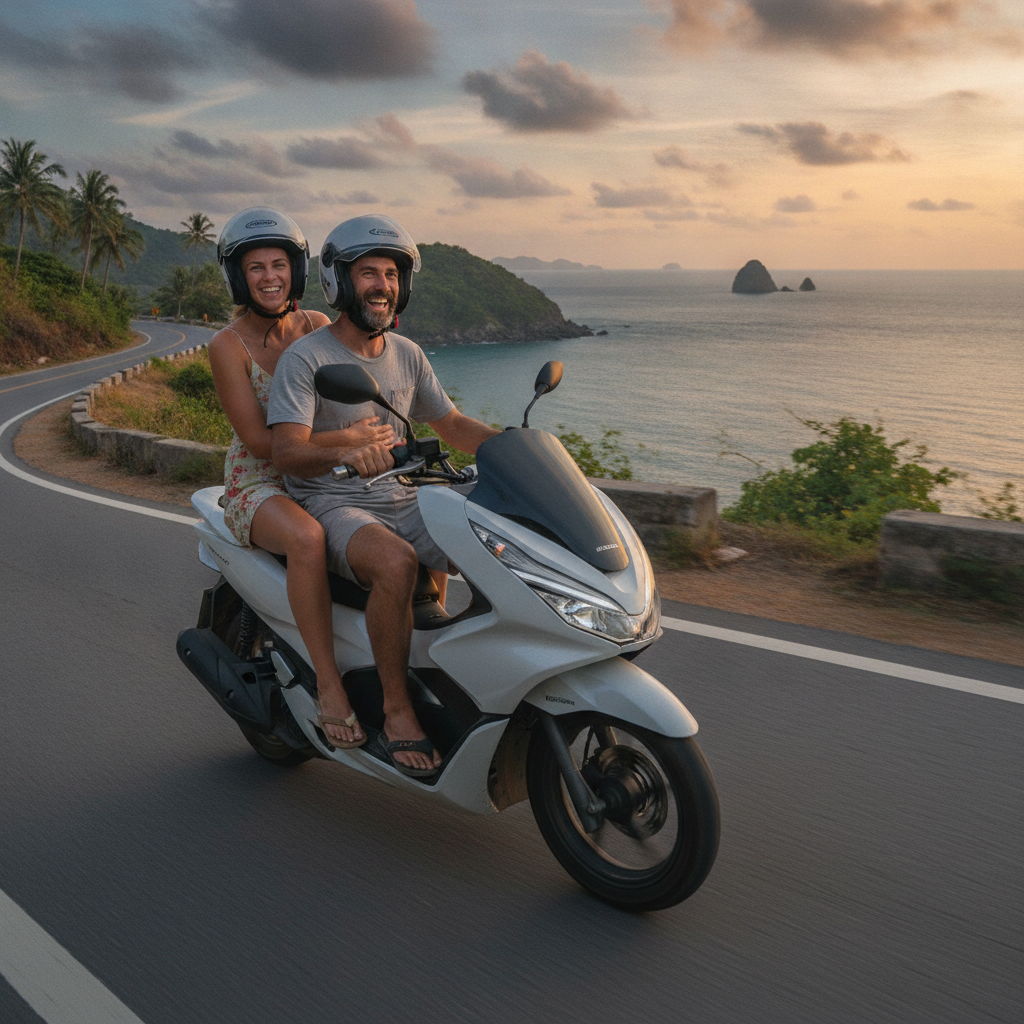
Welcome to Phuket, where the open road calls and adventure awaits! There’s no better way to truly discover the island’s vibrant charm and hidden corners than on a scooter. Imagine the freedom of zipping past lush rubber plantations, discovering secluded beaches, and reaching breathtaking viewpoints at your own pace. While taxis and tuk-tuks offer convenience, a scooter provides unparalleled flexibility and often a more budget-friendly way to explore this extensive island, especially with its limited public transport. This comprehensive phuket scooter guide is designed to equip you with everything you need for a safe and exhilarating ride.
Why a Scooter is Your Best Friend in Phuket
Phuket is a large island, much bigger than many visitors realize, and its diverse landscape truly comes alive when you have the freedom to roam. From the bustling markets of Phuket Town to the tranquil shores of Nai Harn, or the iconic Big Buddha perched high above the island, having your own two wheels puts you in control of your itinerary. It’s not just about getting from A to B; it’s about the journey itself – stopping spontaneously for a fresh coconut, stumbling upon a local eatery, or simply pulling over to admire a stunning vista. This independence is what makes a scooter adventure an unforgettable part of the Phuket experience, offering a sense of exploration that’s hard to match through other means of transport.
Navigating Scooter Rentals: What You Need to Know
Renting a scooter in Phuket is generally straightforward, but knowing the ins and outs will ensure a smooth experience. Here’s what you need to prepare for:
Understanding Rental Costs and Options
Most rental shops offer 110-125cc automatic models like the Honda Click or Yamaha Fino, which are perfect for navigating Phuket’s varied terrain. Daily rental rates for these popular models can range from ฿150 to ฿1,000, depending on the engine size, how long you plan to rent it for, and the time of year. If you’re planning a longer stay, consider a weekly rental, where a 125cc scooter might average ฿200-฿300 per day. Monthly rates offer even further savings. For those seeking a bit more power and comfort, larger scooters such as a Yamaha Nmax or Honda PCX (155cc+) are available, typically costing ฿300-฿600 per day. Always clarify what’s included in the price and any additional fees upfront.
The Deposit Dilemma: Your Passport is Sacred
Reputable rental companies will ask for a refundable cash deposit, usually between ฿3,000 and ฿5,000. They will also take a photocopy of your passport and your driver’s license. This is standard practice. However, it is absolutely crucial to never leave your original passport as a deposit. This can lead to significant problems and potential scams, as it puts you in a vulnerable position. Always insist on providing a photocopy and keeping your original passport securely with you.
Insurance: Your Unsung Hero
It’s important to understand that insurance is rarely included by default in the basic rental fee. While some companies might offer voluntary third-party insurance for an additional cost, typically ฿200-฿400 per week, it’s often minimal. Always check your travel insurance policy from home to see if it covers scooter accidents abroad, and if so, under what conditions. This is a critical step that many overlook, but it can save you from potentially exorbitant medical costs in the event of an incident.
The Legal Lowdown: Don’t Get Caught Off Guard
To enjoy your scooter adventure without legal worries, it’s vital to be properly licensed. This is one area where tourists often face issues, so pay close attention.
Licensing Requirements: Before You Arrive
To legally ride a scooter in Thailand, you must possess two documents: a valid motorcycle-endorsed driving license from your home country and an International Driving Permit (IDP) with the ‘A’ (motorcycle) category clearly marked. A standard car license (Category B) is not sufficient for riding a scooter or motorcycle in Thailand, regardless of the engine size. Obtaining your IDP is something you must do before you travel, as it cannot be issued to tourists once you are in Thailand. Think of it as your golden ticket to legal riding.
The Consequences of Non-Compliance
Police checkpoints are a regular occurrence across Phuket’s tourist hotspots. If you are stopped and cannot present the correct valid motorcycle license and IDP, you will face fines, typically ranging from ฿500 to ฿1,000. More importantly, riding without the proper legal documentation will automatically void most travel insurance policies in the event of an accident. This means you would be solely responsible for all medical bills, which can quickly amount to a staggering sum. It’s a risk simply not worth taking, especially when a little preparation beforehand can save you so much trouble and expense.
Safety First: Mastering Phuket’s Roads
Your safety is paramount. While scooter riding in Phuket offers incredible freedom, it also comes with responsibilities. Thailand drives on the left side of the road, so if you’re from a right-hand drive country, take extra care to adapt.
Essential Safety Practices
First and foremost, always wear a helmet. This isn’t just a recommendation; it’s legally mandatory for both the rider and any passenger. Many rental shops provide helmets, but check that it fits properly and is in good condition. Consider bringing your own if you prefer. Beyond helmets, dress appropriately – long sleeves, pants, and closed-toe shoes offer better protection than swimwear and flip-flops, even on a hot day. Always use your turn signals, maintain a safe distance from other vehicles, and be aware of your surroundings.
Understanding Phuket’s Road Conditions
Phuket’s roads can be quite challenging. You’ll encounter steep hills, tight winding turns, and sometimes unexpected potholes. This demands a certain level of experience and caution, especially if you’re not accustomed to such conditions. Traffic behavior can also be unpredictable; be ready for sudden lane changes, motorcycles weaving through traffic, and even drivers who may run red lights. It’s a different driving culture, so stay alert and ride defensively.
When to Ride, When to Rest
We highly recommend planning your rides for early mornings. Not only are the temperatures cooler and more pleasant, but the roads are also significantly quieter, making for a much safer and more comfortable experience. As for riding after dark, exercise extreme caution. Outside of well-lit town centers, visibility can be poor, and stray animals (dogs, cats, even chickens) are common hazards on the roads. If you’re planning to enjoy Phuket nightlife, it’s often wiser to use a taxi or ride-hailing service.
If you’re new to scooter riding or feel less confident, start with easier, flatter routes. The stretch between Rawai and Nai Harn is a great option to get comfortable before you tackle more demanding terrain, such as the winding hill roads leading up to the Big Buddha or the challenging switchbacks between Kamala and Patong.
Your Ultimate Phuket Scooter Routes
Ready to hit the road? Here are some of our top recommendations for exploring Phuket by scooter:
Scenic South Coast Sunset Route
This is a truly classic Phuket experience. Start your journey from Chalong and head south, making your way through charming villages and scenic coastal roads. You’ll pass by the stunning beaches of Kata and Karon, each offering unique vibes and photographic opportunities. A must-do stop along this route is the Karon Viewpoint, providing panoramic vistas of the three crescent-shaped beaches. Continue your ride towards the iconic Big Buddha, where you can take in incredible island views. The grand finale of this approximately four-hour route is arriving at Promthep Cape just in time for a breathtaking sunset – a truly magical way to end your day.
Exploring the West and Southwest Coasts
For another fantastic coastal adventure, consider the route from Patong southwards to Promthep Cape, exploring the southwest coast. This offers a different perspective and plenty of opportunities to discover bustling beach towns and quieter stretches of coastline. Alternatively, head north from Patong along the west coast, passing through the vibrant areas of Kamala, the upscale Surin Beach, and the expansive Bang Tao Beach. Each beach has its own character, from lively resorts to exclusive beachfront clubs, making for an interesting day of exploration.
The Full Island Adventure
For experienced riders seeking a true challenge and an immersive experience, a full island loop is the ultimate adventure. This day-long journey allows you to circumnavigate Phuket, taking in a huge variety of landscapes, from developed tourist areas to serene, less-visited corners. It requires stamina and confidence on the roads, but the reward is an unparalleled understanding of the island’s diverse beauty.
Finding Hidden Gems and Local Spots
The real magic of a scooter is the ability to deviate from the main roads and discover what lies beyond. Use your scooter to seek out less-frequented spots, such as local markets in Phuket Town, quiet temples like Wat Phra Thong, or even some of the top 5 secret beaches in Phuket. These off-the-beaten-path excursions often lead to the most authentic and memorable experiences, far from the typical tourist crowds.
Best Time for Your Scooter Adventure
Choosing the right time of year for your Phuket scooter adventure can significantly impact your experience.
Dry Season: Sun-Kissed Roads (November to March)
This is widely considered the peak season, offering optimal weather conditions with plenty of sunshine and minimal rain. The roads are dry and perfect for riding. However, precisely because the weather is so good, this is also the busiest time of year, meaning more traffic on the roads and higher prices for rentals and accommodation. If you prefer bustling energy and guaranteed good weather, this is your season.
Rainy Season: Fewer Crowds, More Caution (May to October)
The rainy season brings fewer crowds and often lower prices, making it an attractive option for budget-conscious travelers or those who prefer a quieter atmosphere. However, as the name suggests, you must be prepared for sudden tropical downpours. Roads can become slippery, and visibility may be reduced. If you choose to ride during this time, exercise extra caution, plan your routes with flexibility, and be ready to pull over if a heavy shower hits. The rain often comes in bursts, so you might still have plenty of dry riding time.
Shoulder Seasons: The Sweet Spot (March-April and September-October)
These periods often strike a great balance. You’ll typically find good weather conditions with less intense heat than the absolute peak dry season, and importantly, reduced crowds compared to the high season. Prices for rentals might also be more favorable. While you might encounter an occasional shower, it’s generally a fantastic time for scooter adventures without the full intensity of either peak season or deep rainy season.
Frequently Asked Questions
Is it safe to rent a scooter in Phuket?
Renting a scooter in Phuket can be safe if you prioritize caution, have the correct legal documents, and are an experienced rider. Always wear a helmet, drive on the left, be aware of unpredictable traffic and road conditions (hilly, winding roads, potholes), and avoid riding after dark in poorly lit areas. Ensure you have the legally required motorcycle license and an International Driving Permit (IDP) to maintain your travel insurance validity.
How much does it cost to rent a scooter in Phuket?
Daily scooter rental prices typically range from ฿150 to ฿1,000, depending on the engine size and rental duration. A common 110-125cc automatic scooter might cost ฿200-฿300 per day for weekly rentals, with larger 155cc+ models ranging from ฿300-฿600 daily. Remember to budget for a refundable cash deposit, usually ฿3,000-฿5,000, and consider additional voluntary third-party insurance if available for ฿200-฿400 per week.
What documents do I need to legally ride a scooter in Phuket?
To legally ride a scooter in Phuket, you must possess a valid motorcycle-endorsed driving license from your home country AND an International Driving Permit (IDP) with the ‘A’ (motorcycle) category. A standard car license (Category B) is not sufficient. It is crucial to obtain your IDP before arriving in Thailand, as it cannot be issued in-country for tourists. Failure to have these documents can result in fines and will void your travel insurance in case of an accident.