The Por Tor Festival in Phuket is one of those deeply cultural experiences that truly sets the island apart. If your travel plans bring you to our beautiful shores in late August, you have the incredible opportunity to immerse yourself in the traditional Por Tor Festival, also known as the Hungry Ghost Festival. For the island’s vibrant Hokkien Chinese community, this is a significant annual event, offering a unique window into their beliefs and customs.
In 2026, the Por Tor Festival is scheduled to run from August 19th to September 6th, with its most important ceremonies and the peak of celebrations falling on August 27th. This isn’t just a single-day event; it’s a month-long observance, offering plenty of time to witness various aspects. This guide offers an insider’s perspective to understanding, respecting, and truly experiencing this fascinating cultural spectacle.
What is the Por Tor Festival? A Glimpse into Phuket’s Spiritual Heart
The Por Tor Festival holds profound spiritual significance for Phuket’s Hokkien Chinese community. It’s rooted in the ancient belief that during the seventh lunar month of the Chinese calendar, the gates of the underworld open. This allows ancestral spirits to return to the human realm to visit their families, and wandering ghosts, who may not have descendants to care for them, are also free to roam.
This period is a crucial time for families to express their deep gratitude and respect for their ancestors. It’s also a time for making merit, offering sustenance, and providing comfort to these spirits, ensuring their peace and well-being. Far from being a somber affair, the festival is a vibrant and communal act of remembrance, generosity, and spiritual connection. You’ll see families coming together, preparing elaborate offerings, and participating in ceremonies that have been passed down through generations. It’s a testament to the enduring traditions that shape the cultural tapestry of our island.
The Heart of the Offerings: Ang Ku Cakes and More
Central to the Por Tor Festival are the elaborate and symbolic offerings presented to the spirits. You’ll notice stalls and altars laden with a wide array of items, each carrying its own meaning.
The Iconic Ang Ku (Turtle) Cakes
The most iconic offering you’ll encounter is undoubtedly the ‘Ang Ku’ or ‘Tua Ku’ – beautiful red ceremonial cakes. These distinctive cakes are shaped like turtles, a powerful symbol in Chinese culture representing strength, longevity, auspiciousness, and good luck. Made from glutinous rice flour and sugar, their vibrant red color signifies prosperity and good fortune. You’ll see them in various sizes, from small, individual portions to impressively large, intricately decorated creations.
The price of these special cakes can vary significantly depending on their size and elaboration. Smaller Ang Ku cakes might start around 100 baht, while the largest, most ornate ones, often prepared for significant family offerings or temple displays, can cost up to 15,000 baht. They are not just food; they are works of art and devotion, reflecting the importance of the festival. Keep an eye out for them, as they are a true hallmark of Por Tor.
A Feast for the Spirits
Beyond the turtle cakes, the offerings present a veritable feast. Families prepare and arrange a stunning array of items, including whole roasted ducks, succulent roasted pork, tender chicken, and large bags of rice. Fresh local fruits, an abundance of colorful vegetables, and sometimes even alcoholic spirits are also part of these generous displays. Each item is carefully selected and presented, reflecting a deep respect for the ancestral spirits and the belief that these offerings will provide comfort and sustenance in the afterlife. Walking through the market areas during this time is an aromatic and visually rich experience, a true feast for the senses that highlights the culinary traditions of the Hokkien community.
Where to Experience the Celebrations in Phuket
While offerings and smaller ceremonies take place in homes and local altars across the island, there are two primary locations where the Por Tor Festival comes alive with the most vibrant and public celebrations. These are the places we recommend you focus your visit to truly feel the energy of the festival.
Seng Tek Bel Shrine (Por Tor Kong Shrine / Ban Niao Shrine)
Located prominently on Phuket Road, the Seng Tek Bel Shrine is one of the most significant centers for Por Tor activities. This historic Chinese shrine, also known locally as Por Tor Kong Shrine or Ban Niao Shrine, becomes a hub of activity, especially leading up to and on the peak day of August 27th.
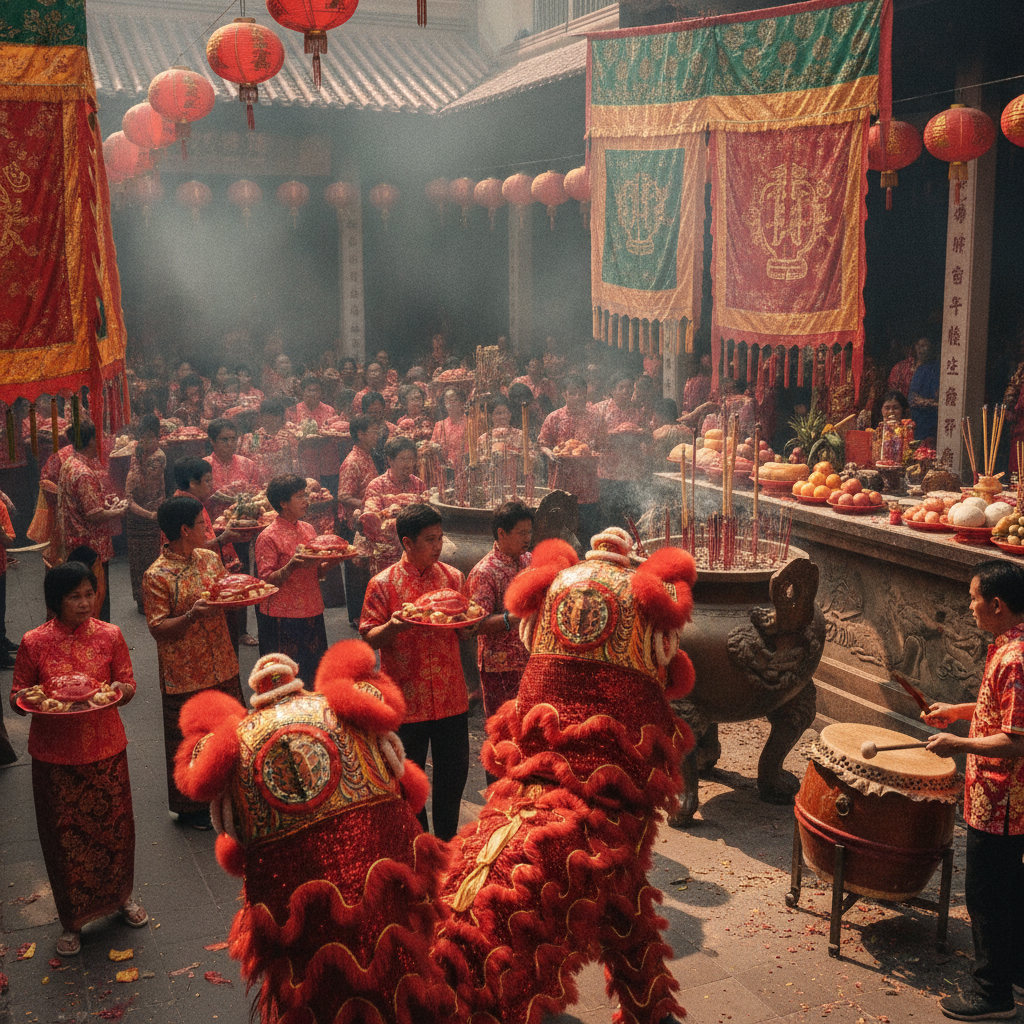
From about noon until midnight, the shrine and its surrounding area buzz with traditional merit-making ceremonies. You’ll witness devout individuals and families performing rituals, lighting incense, and presenting their meticulously prepared offerings. The air becomes thick with the scent of incense and the murmur of prayers, creating an atmosphere of deep reverence.
Ranong Road Fresh Market
Just a short distance away, the bustling fresh market on Ranong Road transforms into another focal point for the festival. This market, normally a vibrant center for daily commerce, takes on an even more festive air during Por Tor. Here, you can truly experience the preparations firsthand, watching local vendors selling special ingredients and the Ang Ku cakes in various sizes. The market area is where much of the public celebration unfolds, complementing the more solemn ceremonies at the shrines.
Both these locations, particularly being close to the charming streets of Phuket Old Town Walking Street, offer an incredible backdrop for photographers and cultural enthusiasts alike. The blend of ancient traditions with the everyday life of the market creates a unique tableau.
Beyond the Ceremonies: Food, Fun, and Local Life
The Por Tor Festival is not solely about quiet reverence; it’s also a time for lively community gatherings and entertainment. Beyond the spiritual offerings, you’ll find a bustling street scene filled with cultural performances and opportunities to connect with local life.
Lion Dances and Traditional Performances
A staple of Chinese festivals, the energetic lion dances are a highlight of Por Tor. These dynamic performances, accompanied by rhythmic drumming and cymbal crashes, are believed to ward off evil spirits and bring good luck. You’ll likely see these dazzling displays at the main celebration centers, drawing large crowds with their acrobatic movements and vibrant costumes. In addition to lion dances, you might also catch magic shows, live concerts featuring traditional and contemporary music, Chinese opera (Ngiew), Likay folk theatre, outdoor movie screenings, and even colorful cabaret shows, all contributing to the festive atmosphere that lasts well into the evening, often until midnight. Colorful parades weave through the streets too, with many local women wearing traditional red qipao dresses and carrying flowers, golden turtle cakes and fruit offerings — a striking sight organized with support from Phuket City Municipality as part of its effort to promote local culture.
A Culinary Journey: Unique Chinese-Influenced Local Foods
One of the most delicious aspects of experiencing any festival in Phuket is the food, and Por Tor is no exception. Beyond the ceremonial offerings, this is an excellent opportunity to sample unique Chinese-influenced local foods. While the Ang Ku cakes are symbolic offerings, many local eateries and street food stalls will feature dishes that reflect the Hokkien culinary heritage. These might include various noodle dishes, savory snacks, and sweet treats specific to this time of year. Don’t be shy; embrace the chance to taste something new and authentic that you might not find during other times of the year.
Practical Tips for Your Por Tor Festival Visit
As knowledgeable locals, we want to ensure your experience of the Por Tor Festival is as enjoyable and respectful as possible. Here are a few practical tips:
Dress Modestly, Especially at Shrines
When planning to visit any of the shrines, such as Seng Tek Bel Shrine, or participating in any religious ceremonies, it is essential to dress modestly. This means covering your shoulders and knees out of respect for the sacred space. Light, breathable clothing is best, as August can still be quite warm in Phuket. This is similar to the respectful attire recommended when visiting other important spiritual sites on the island, like the revered Phra Phuttha Mingmongkol Akenakkiri (Big Buddha).
Be Prepared for Crowds and Incense
The main celebration centers, particularly the Seng Tek Bel Shrine and the Ranong Road fresh market, will attract significant crowds, especially on the peak day of August 27th and during the evening hours. If you prefer a quieter experience, consider visiting during the earlier parts of the day, though the evening brings a special energy.
The air around the shrines and offering areas will also be rich with the prevalent aroma of burning incense. For some, this can be intense, so if you are sensitive to strong smells, you might want to bring a scarf or face covering.
Embrace the Experience
The Por Tor Festival is a truly unique cultural event, offering a deep dive into the traditions of Phuket’s Hokkien community. It’s an immersive experience that blends solemn reverence with vibrant celebration. Don’t be afraid to observe, listen, and respectfully engage with the local customs. Photography is generally permitted, but always be mindful and respectful of individuals participating in prayers or ceremonies.
Visiting during this time gives you a glimpse into a Phuket beyond the beaches, showcasing the rich cultural heritage that makes our island so special. Whether you’re interested in the history, the food, or simply witnessing a vibrant community event, the Por Tor Festival offers something truly memorable. If you need assistance planning your visit or arranging transportation to these fascinating locations, local services can help ensure your trip is seamless and enriching.
Frequently Asked Questions
What are the exact dates for the Por Tor Festival in 2026?
The Por Tor Festival in 2026 is scheduled to run from August 19th to September 6th. The most significant day, featuring the peak of celebrations and main ceremonies, will be August 27th.
What is the significance of the red turtle cakes, ‘Ang Ku’, during the festival?
The ‘Ang Ku’, or ‘Tua Ku’, are red ceremonial cakes shaped like turtles, and they are the most iconic offering of the Por Tor Festival. They symbolize strength, longevity, auspiciousness, and good luck for the families making the offerings, and are a central part of appeasing the ancestral spirits and wandering ghosts.
Is it free for visitors to attend the Por Tor Festival?
Yes, attending the Por Tor Festival is generally free of charge for visitors. You can freely walk through the celebration areas, observe the ceremonies, and enjoy the performances. Of course, any food or items you wish to purchase for yourself will incur a cost.